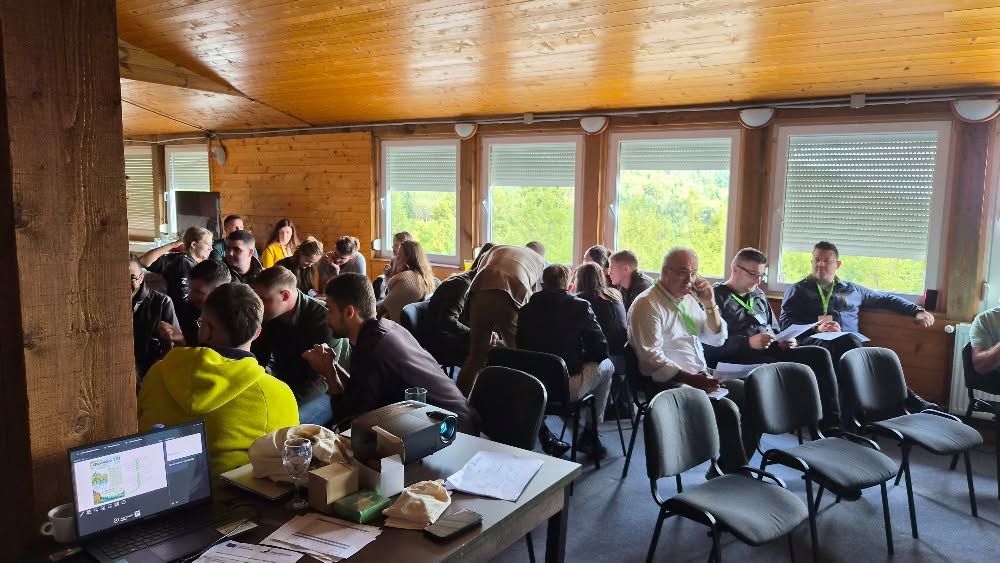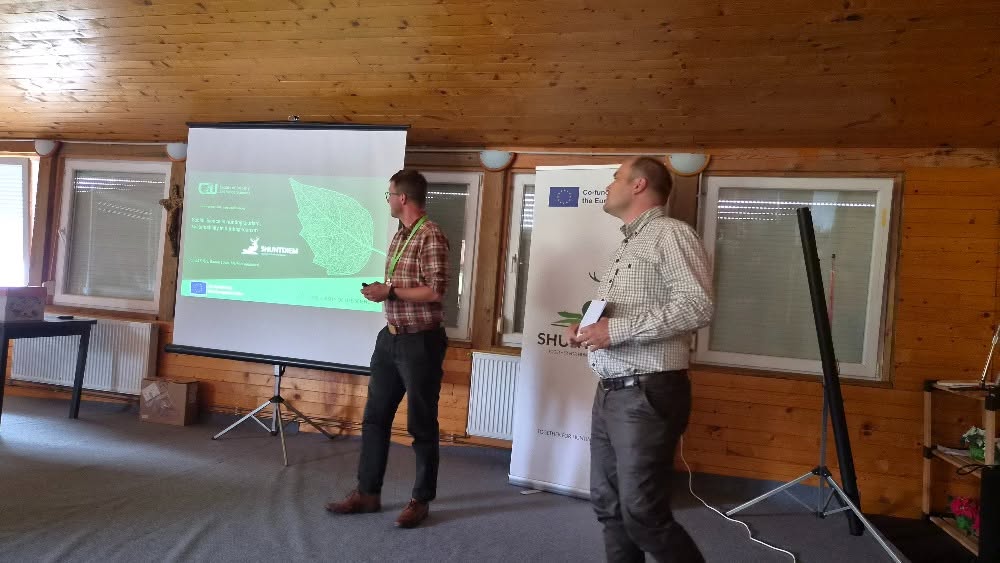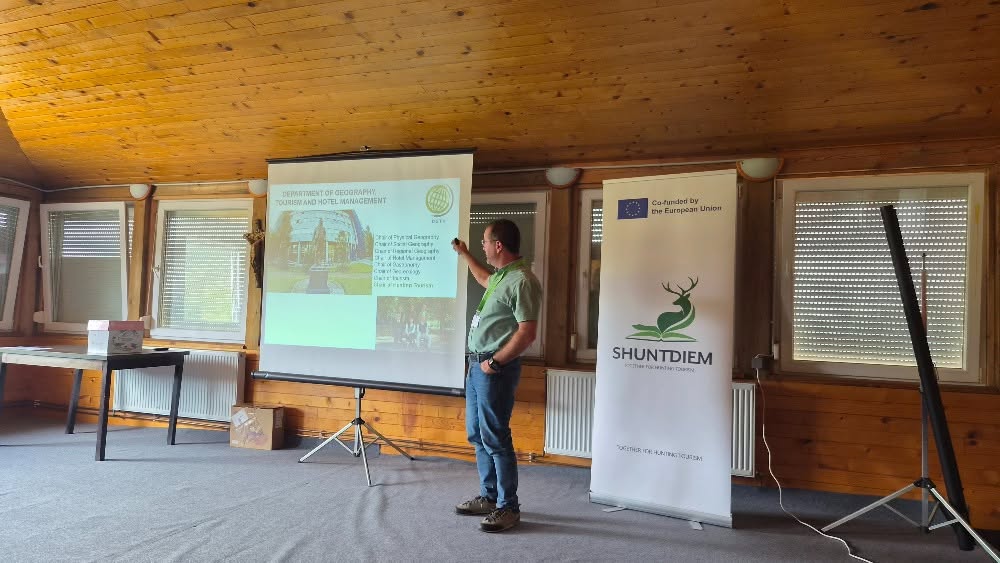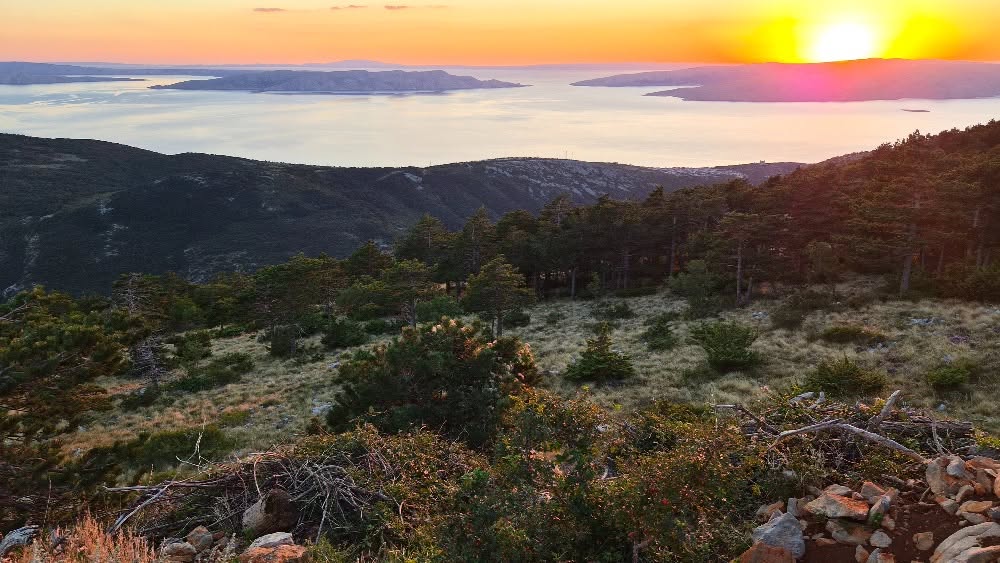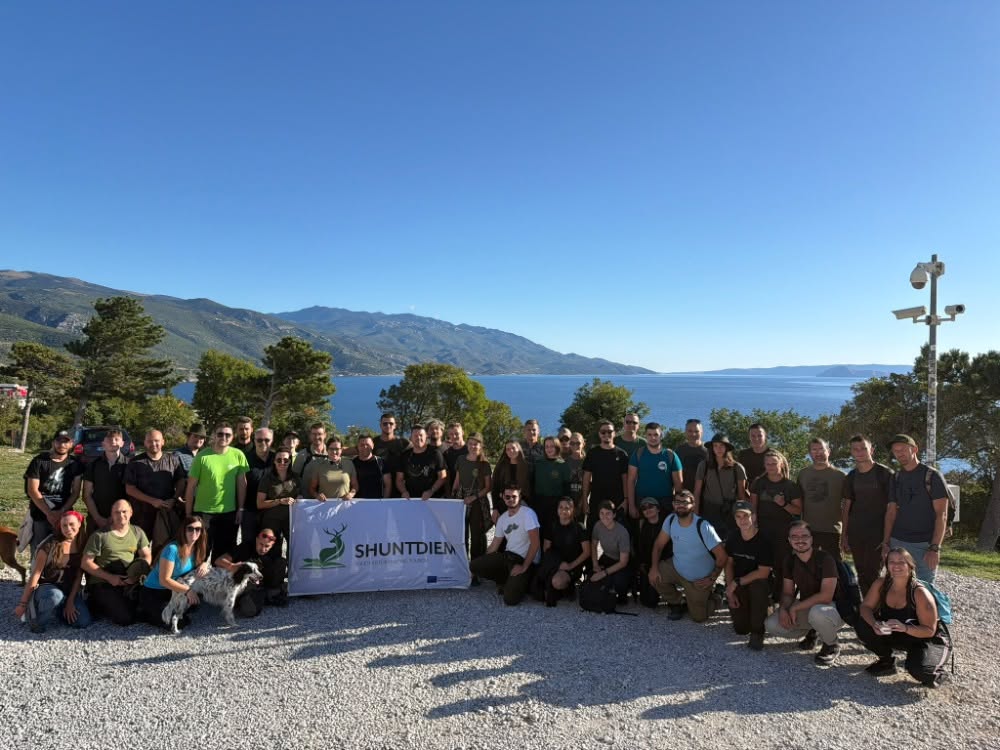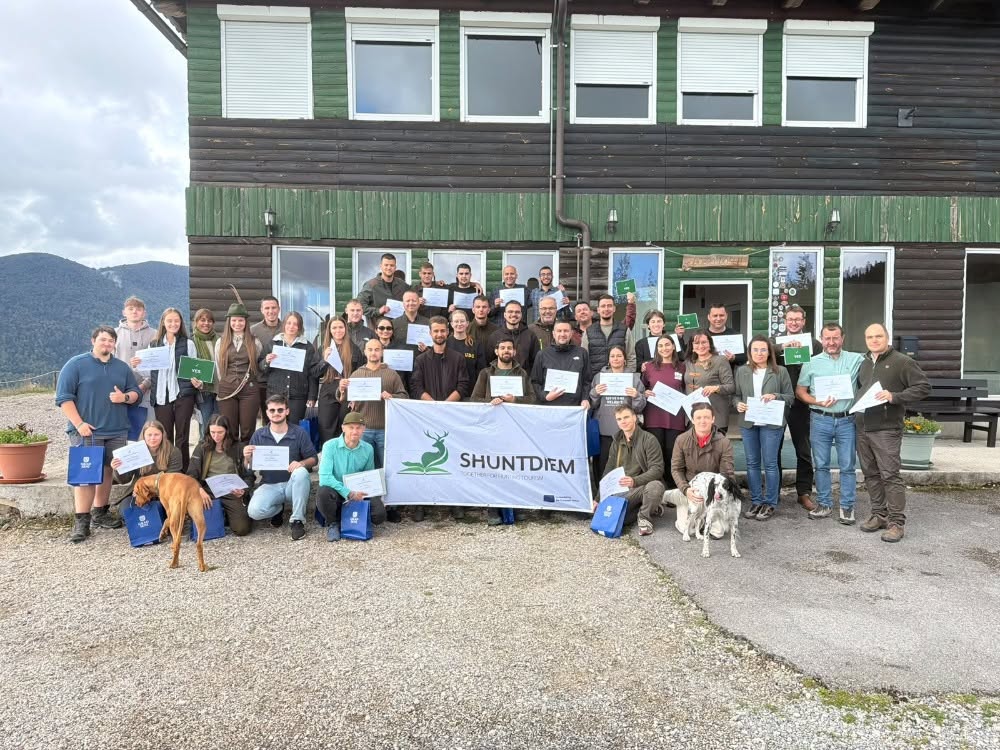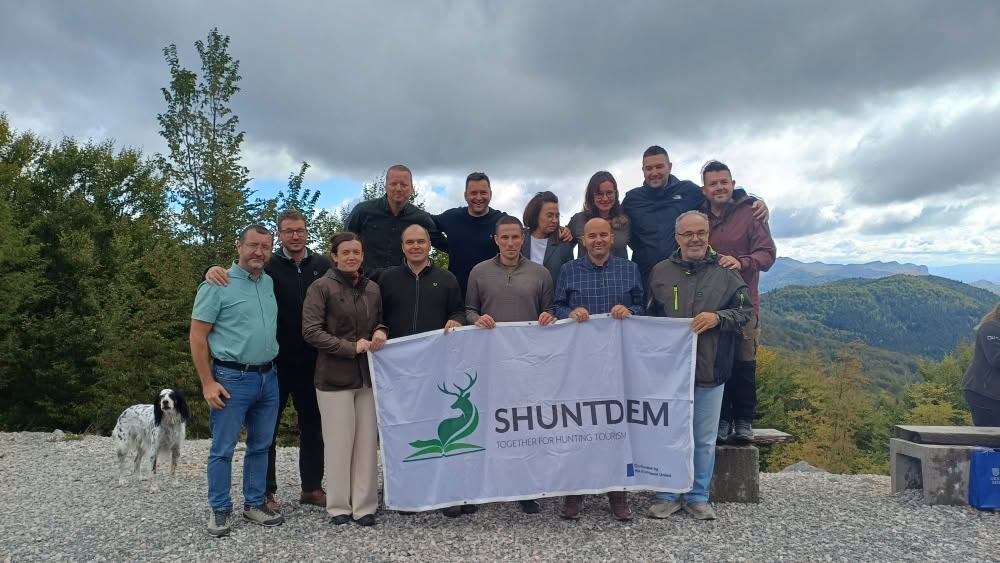
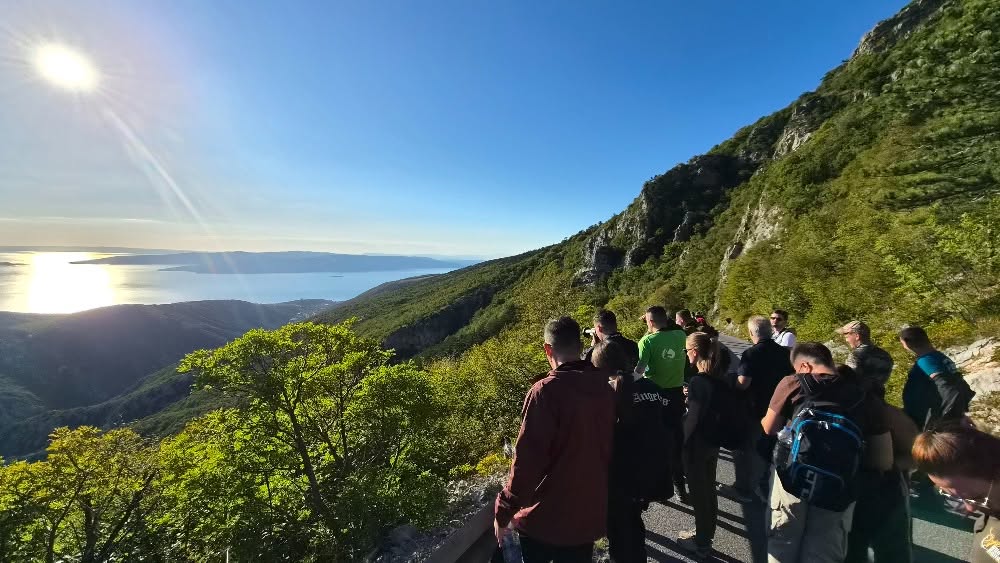
Participants from the Czech Republic, Croatia, Serbia and Greece spent nine days in the Velebit region exploring the complex relationships between wildlife management, biodiversity conservation, hunting and tourism. The programme was designed to combine theoretical knowledge with practical experience and to encourage students to examine these topics from different national and disciplinary perspectives.
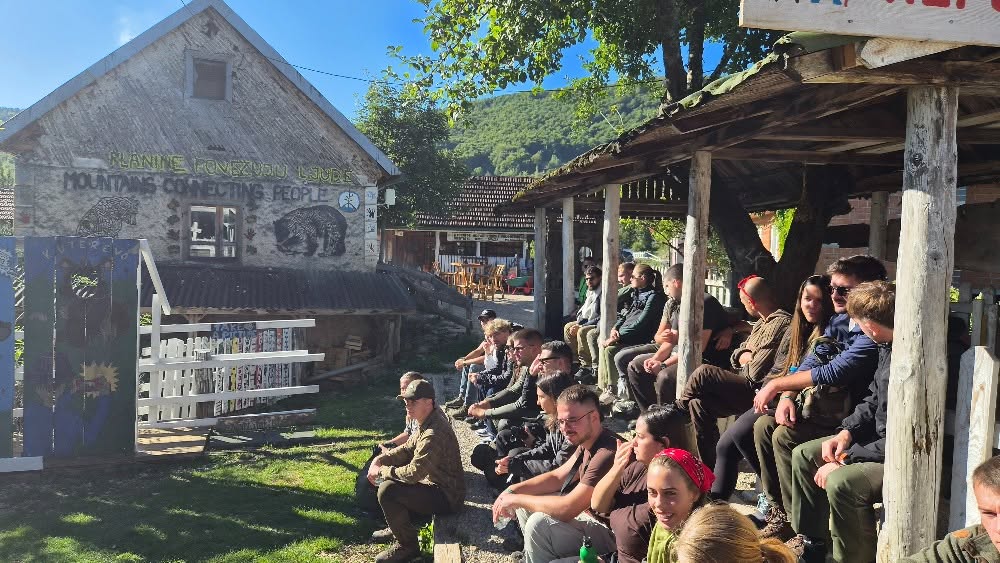
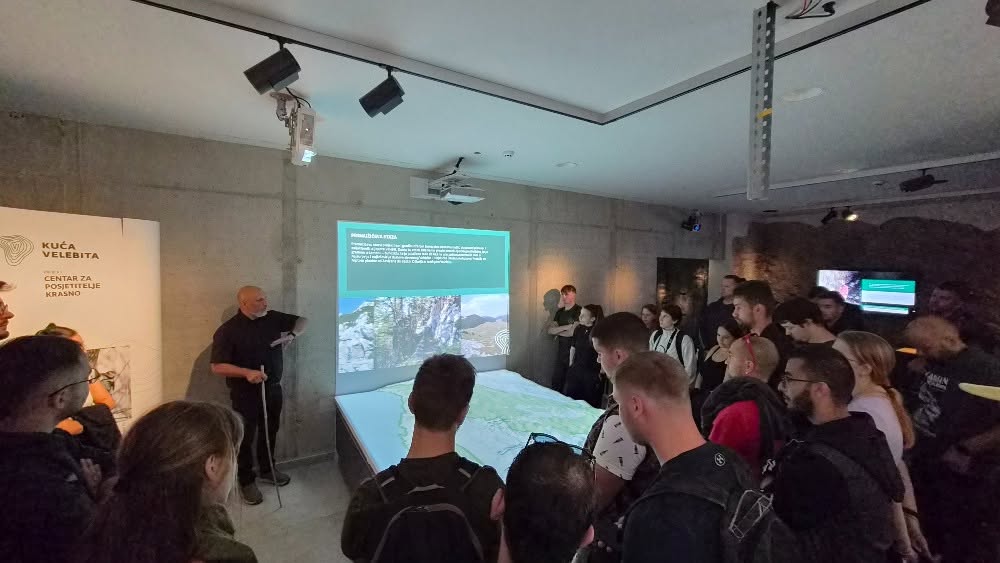
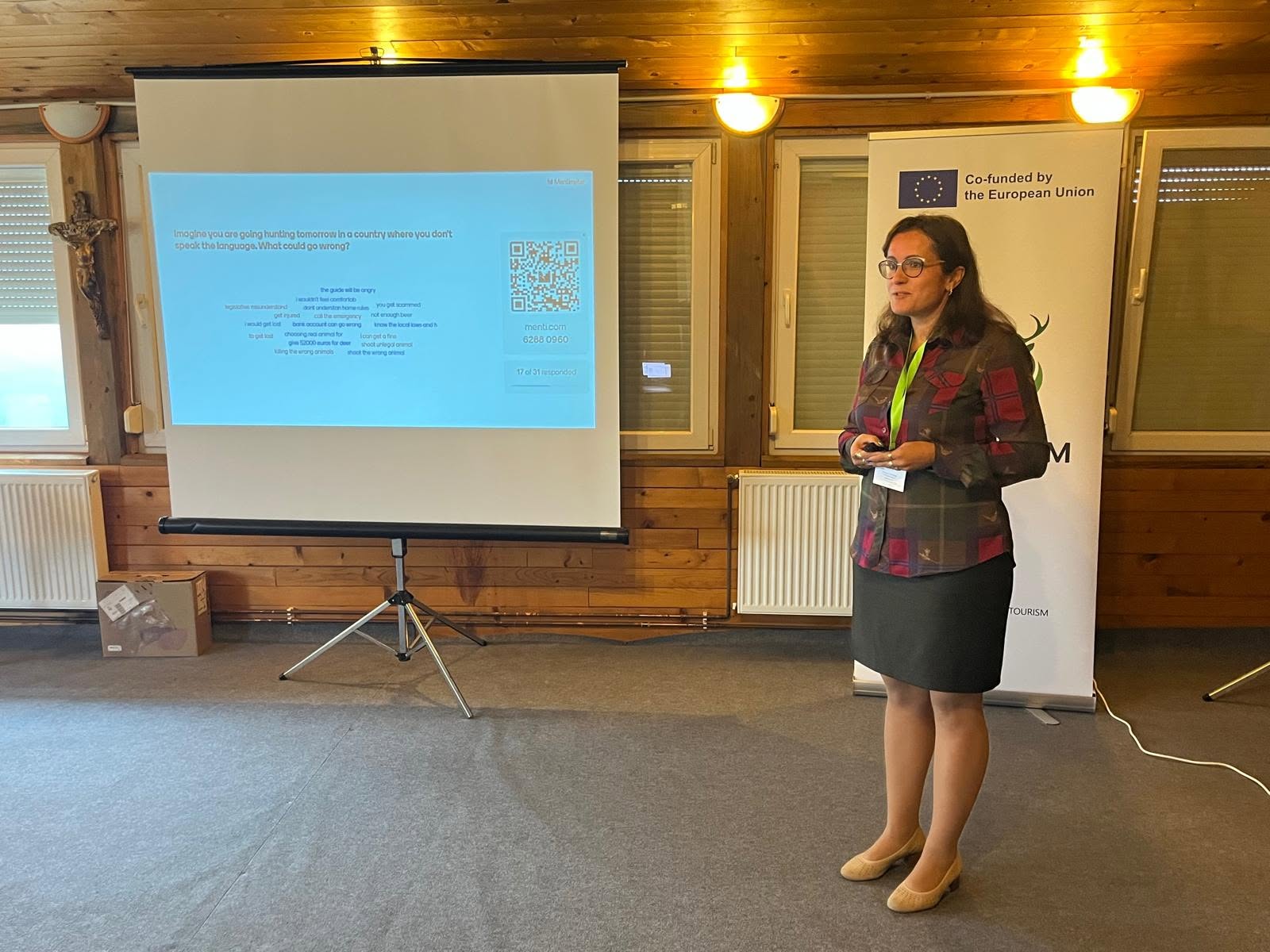
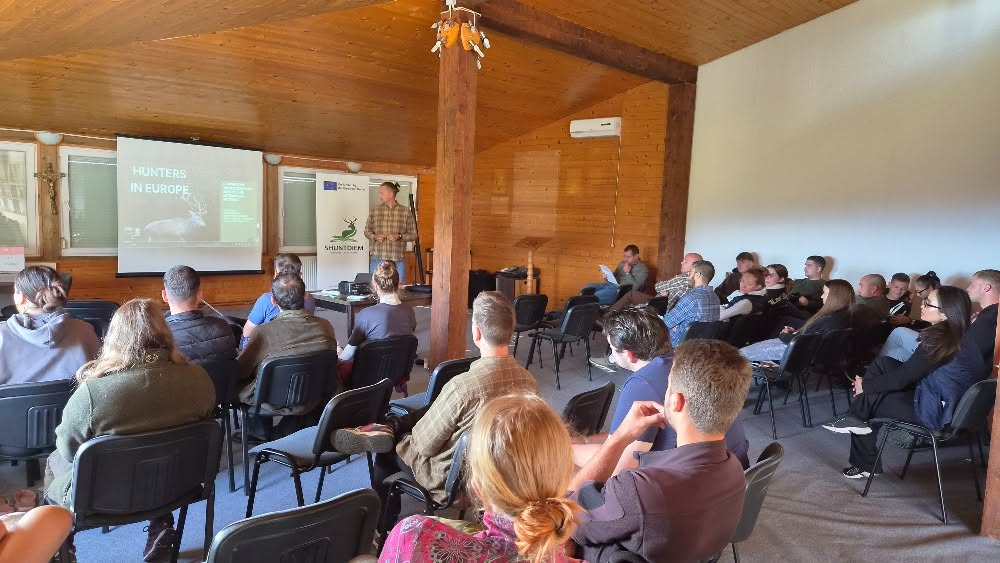
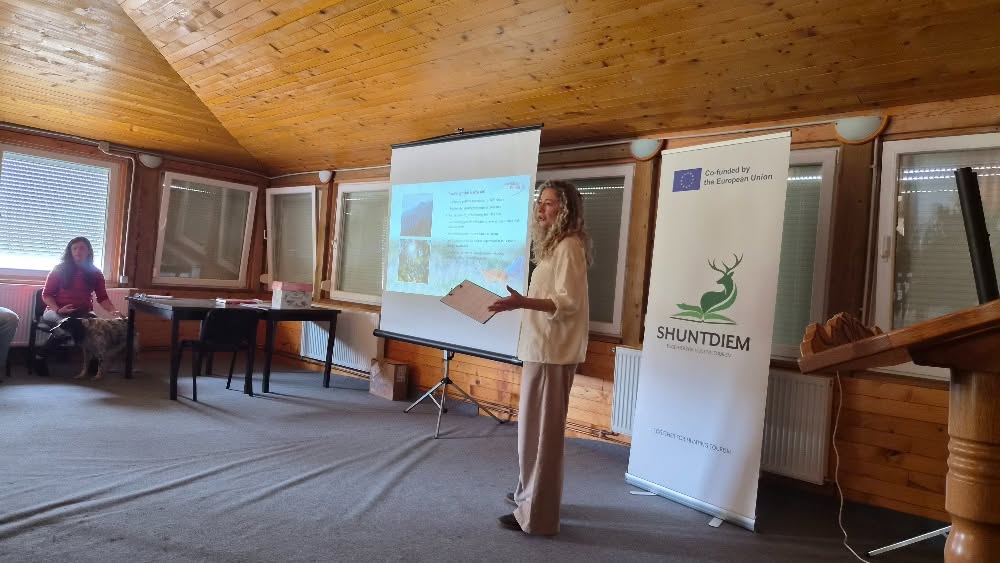
The academic programme addressed some of the key challenges currently shaping wildlife management and hunting tourism in Europe. Lectures focused on innovative methods for wildlife population monitoring and abundance estimation, the relationship between wildlife-based tourism and biodiversity conservation, social licence and sustainability in hunting tourism, as well as demographic trends, economic impacts and motivational patterns among European hunters. Particular attention was also given to hunting as an outdoor tourism experience and the role of professional guiding services.
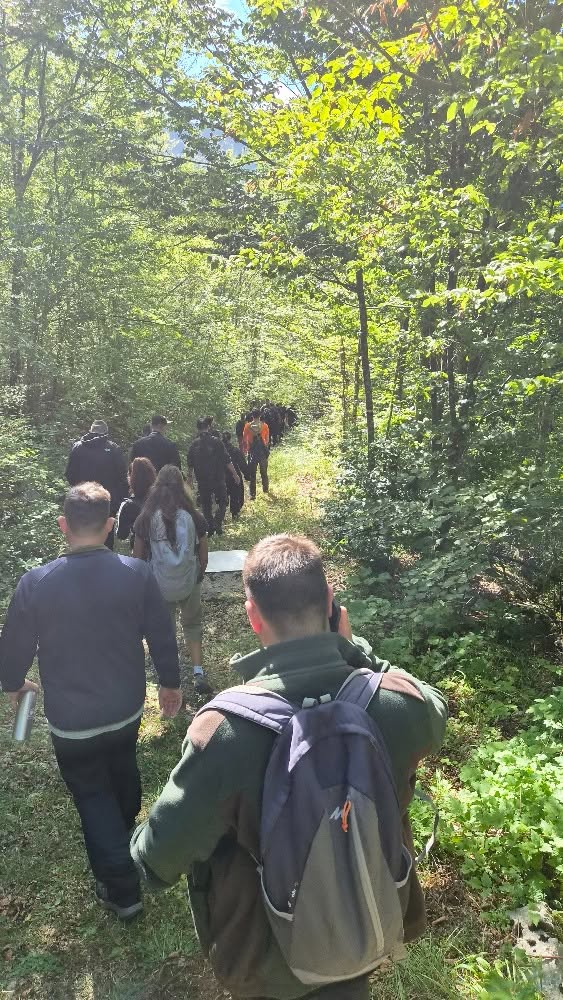
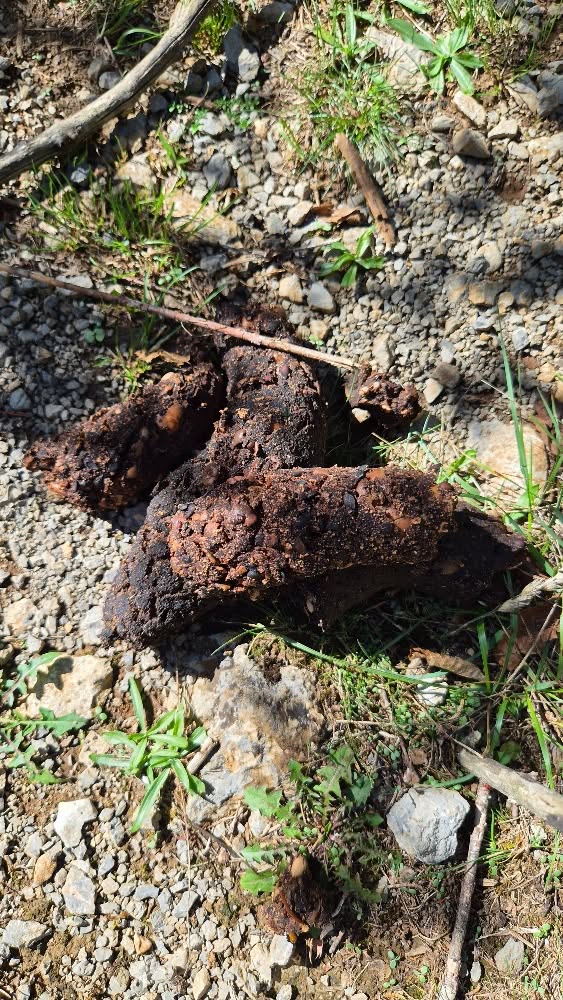
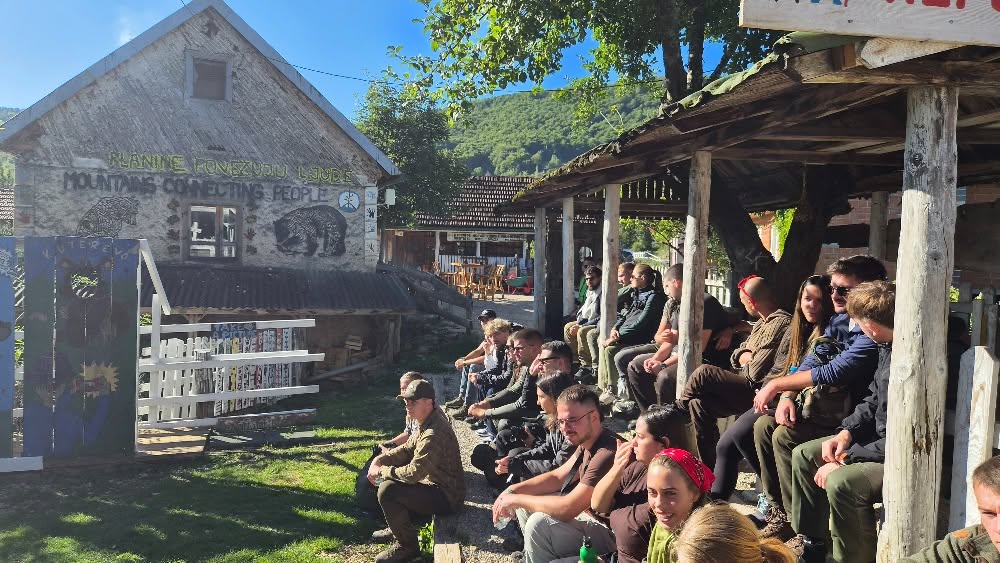
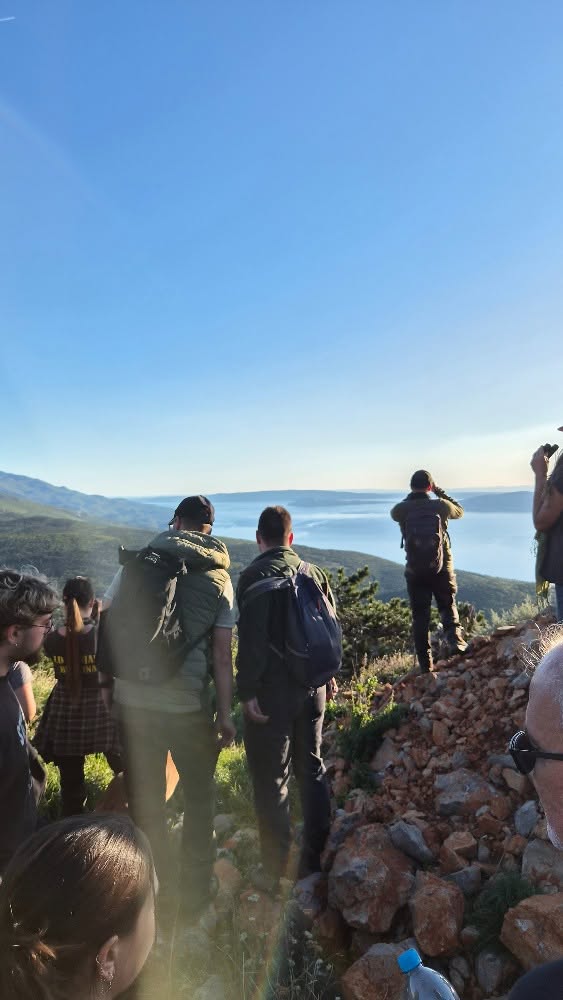
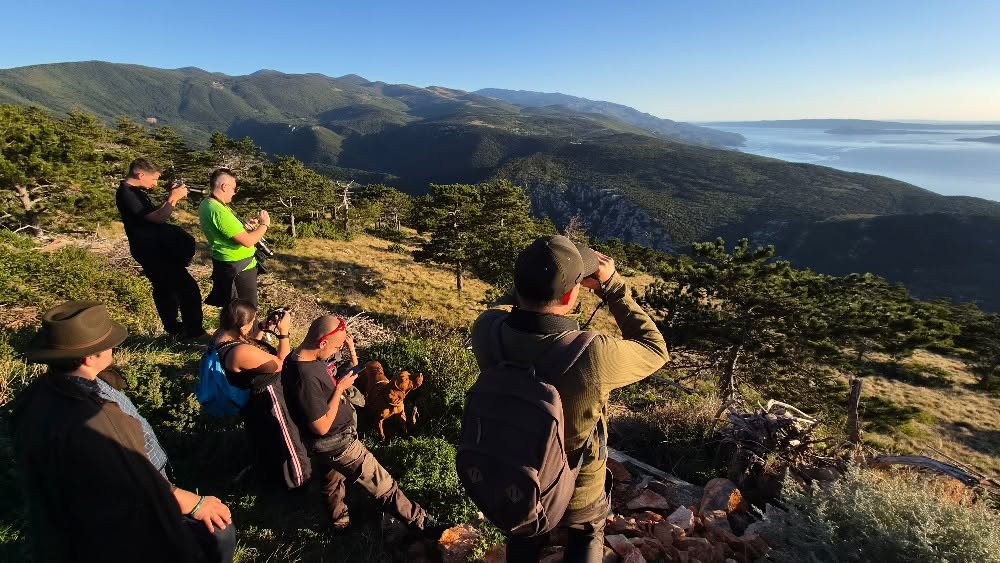
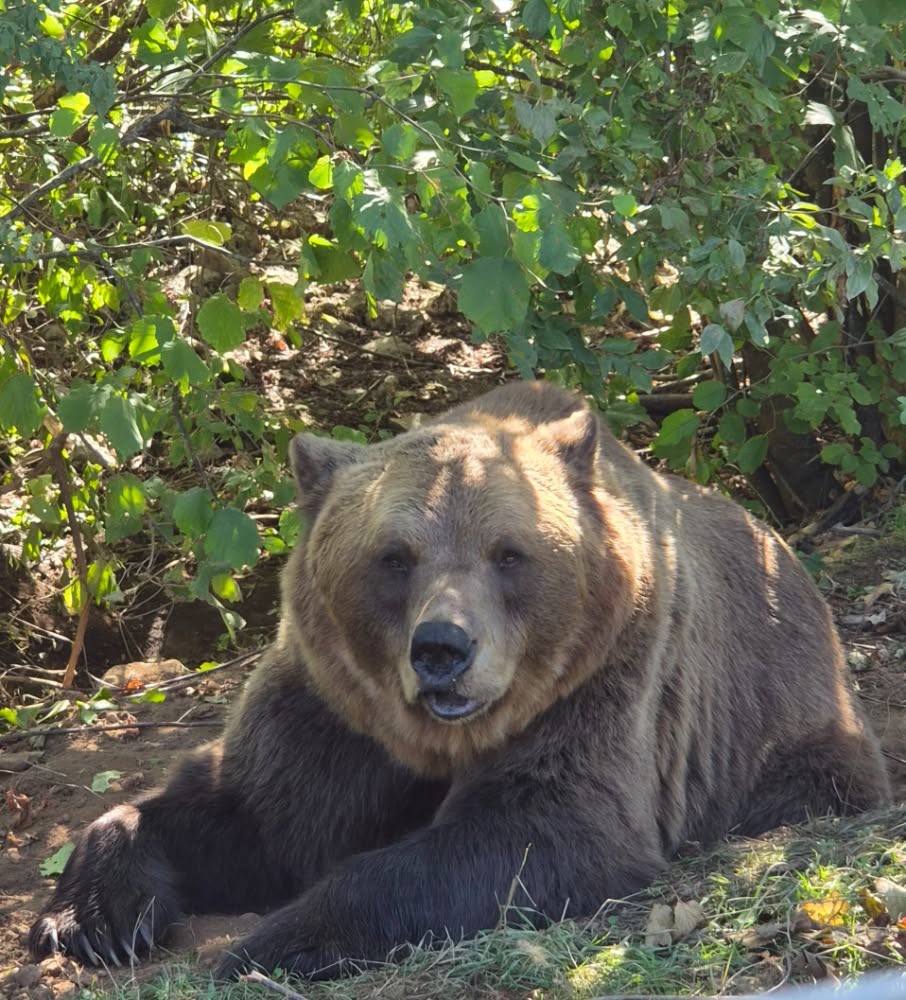 Field activities allowed students to apply this knowledge directly in the Velebit landscape. During excursions to the Kuterevo Bear Sanctuary and a hunting ground near Senj, participants explored practical wildlife management approaches, including wildlife monitoring, feeding stations and the use of camera traps. Working in mixed international teams, they also documented and identified signs of wildlife, including tracks of wolf, bear, lynx and several ungulate species.
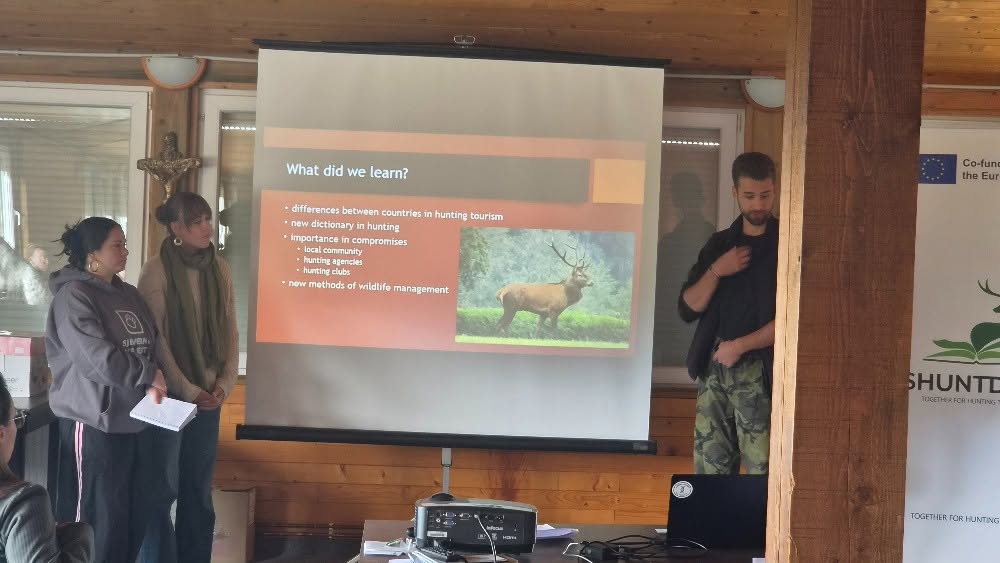
Another important part of the programme focused on the interaction between wildlife and people. Case studies and discussions addressed human–wildlife conflict, while a workshop on sustainable hunting tourism planning challenged international student teams to translate their knowledge into practical proposals. The resulting projects focused on red deer, wild boar, roe deer and fox and were presented and discussed by the participants at the end of the academic programme.
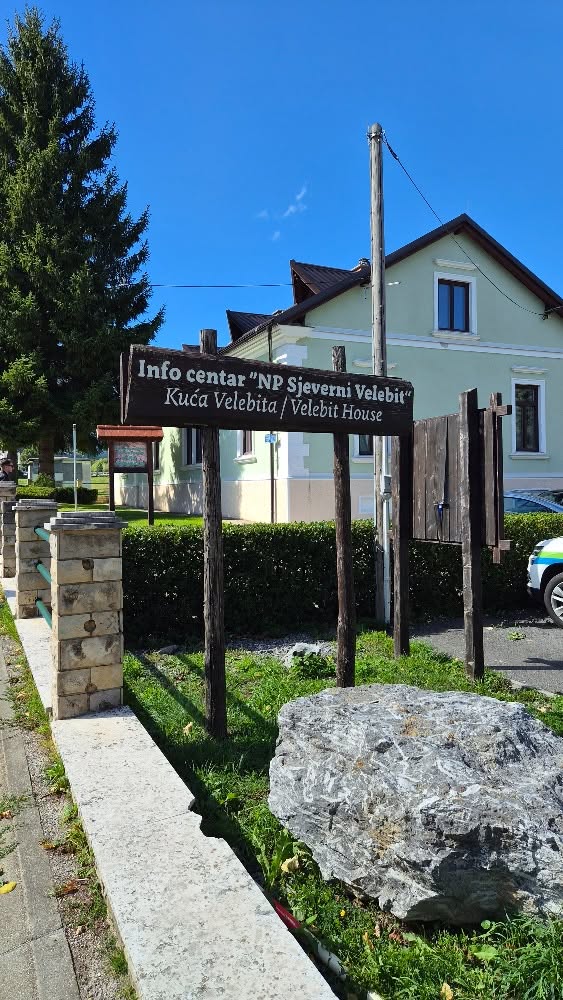
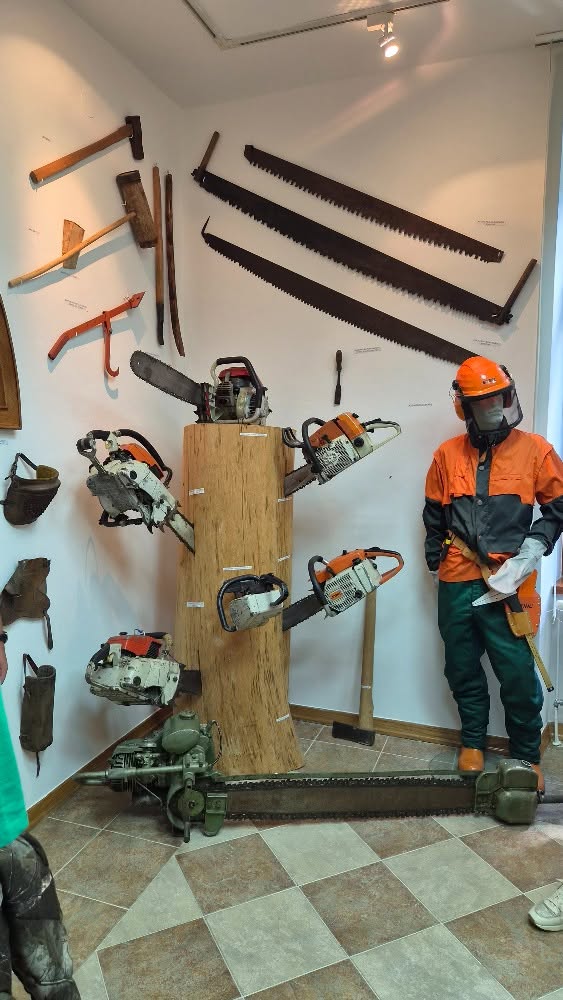
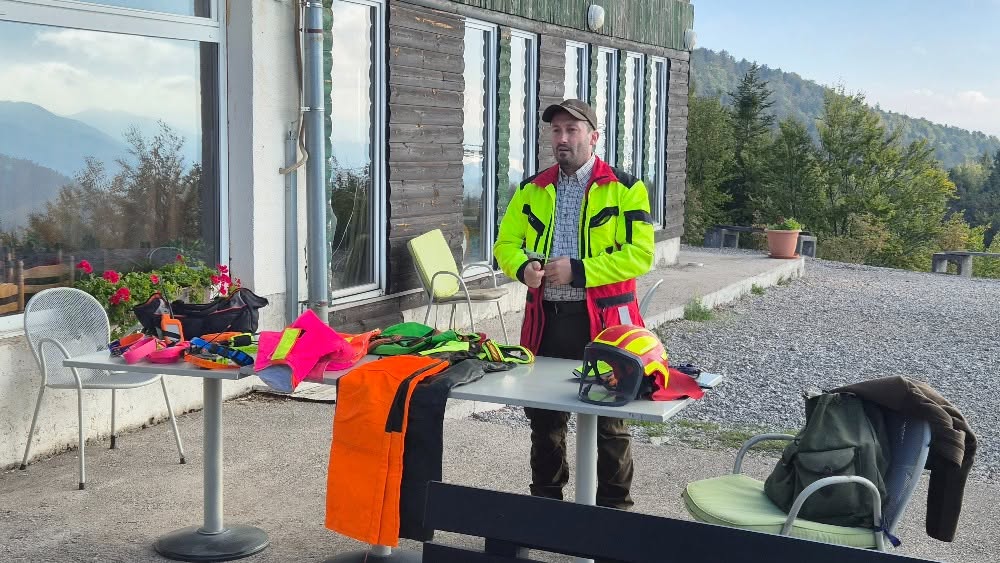
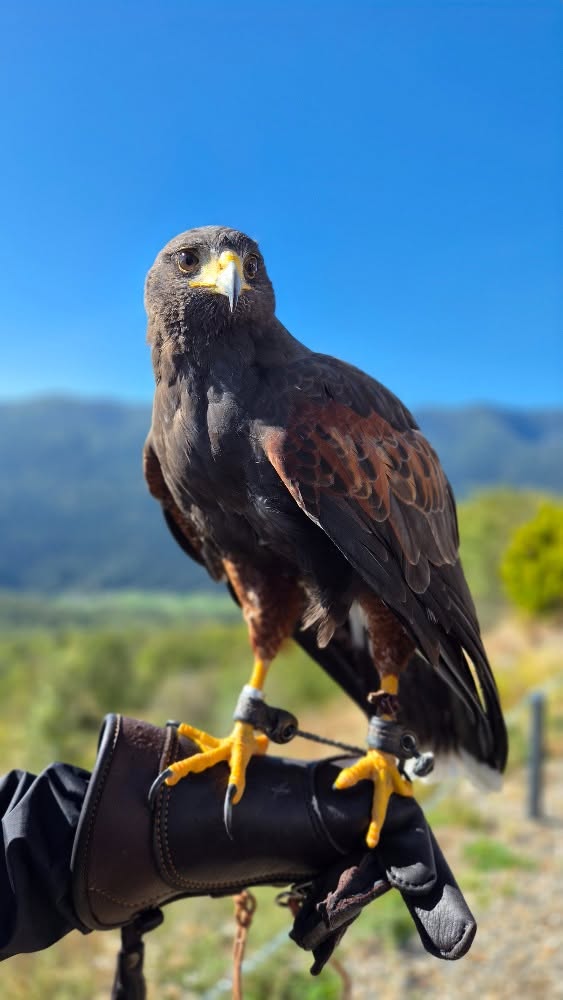
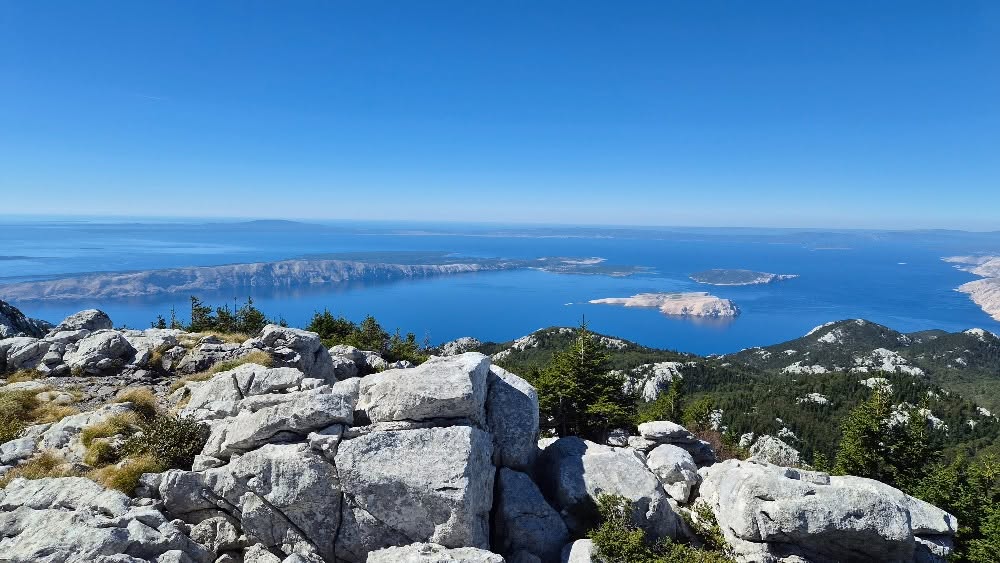
Practical demonstrations of blood-tracking dogs and falconry, together with a visit to Northern Velebit National Park, further broadened the students’ understanding of the links between wildlife management, hunting traditions, conservation and the sustainable use of natural resources.
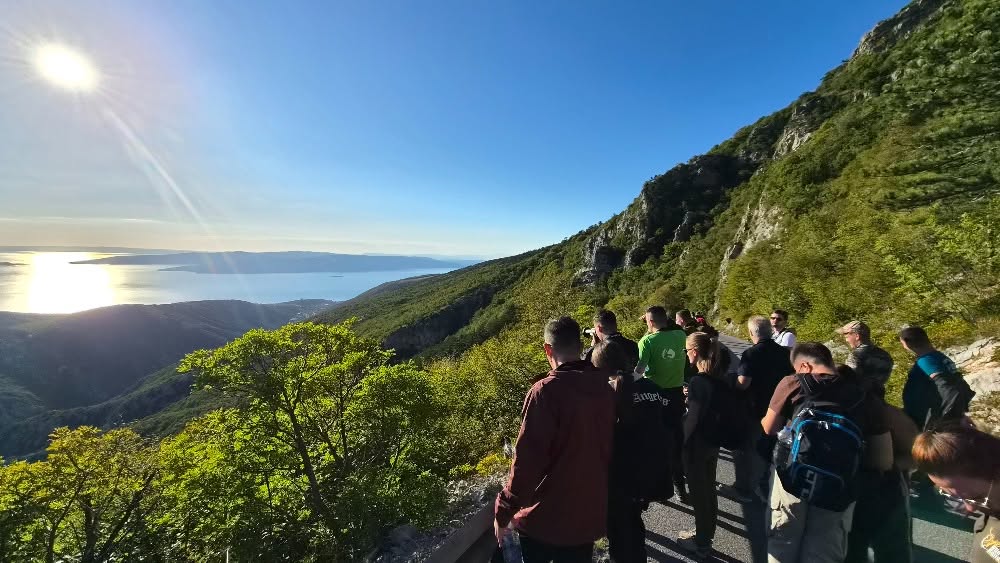
Beyond the professional knowledge gained, the Summer School provided an important platform for international exchange. By working together throughout the week, students from all four countries were able to compare national approaches, discuss different perspectives and build professional connections across borders.
The Summer School thus put one of the central ideas of SHUNTDIEM into practice: combining international education, scientific knowledge and field-based experience to strengthen the competencies of a new generation of professionals in sustainable hunting tourism and wildlife management.